
Assessment
We review the fence age, wood type, existing coating, repairs, exposure, and the look you want.
Fence painting and fence staining in Boise and the Treasure Valley with prep, product guidance, and a finish plan built around the wood and the weather.
Fence finishes should match the wood, the weather exposure, and the level of maintenance you want later. Grayham helps homeowners sort through stain versus paint before the finish choice locks them into the wrong upkeep cycle.
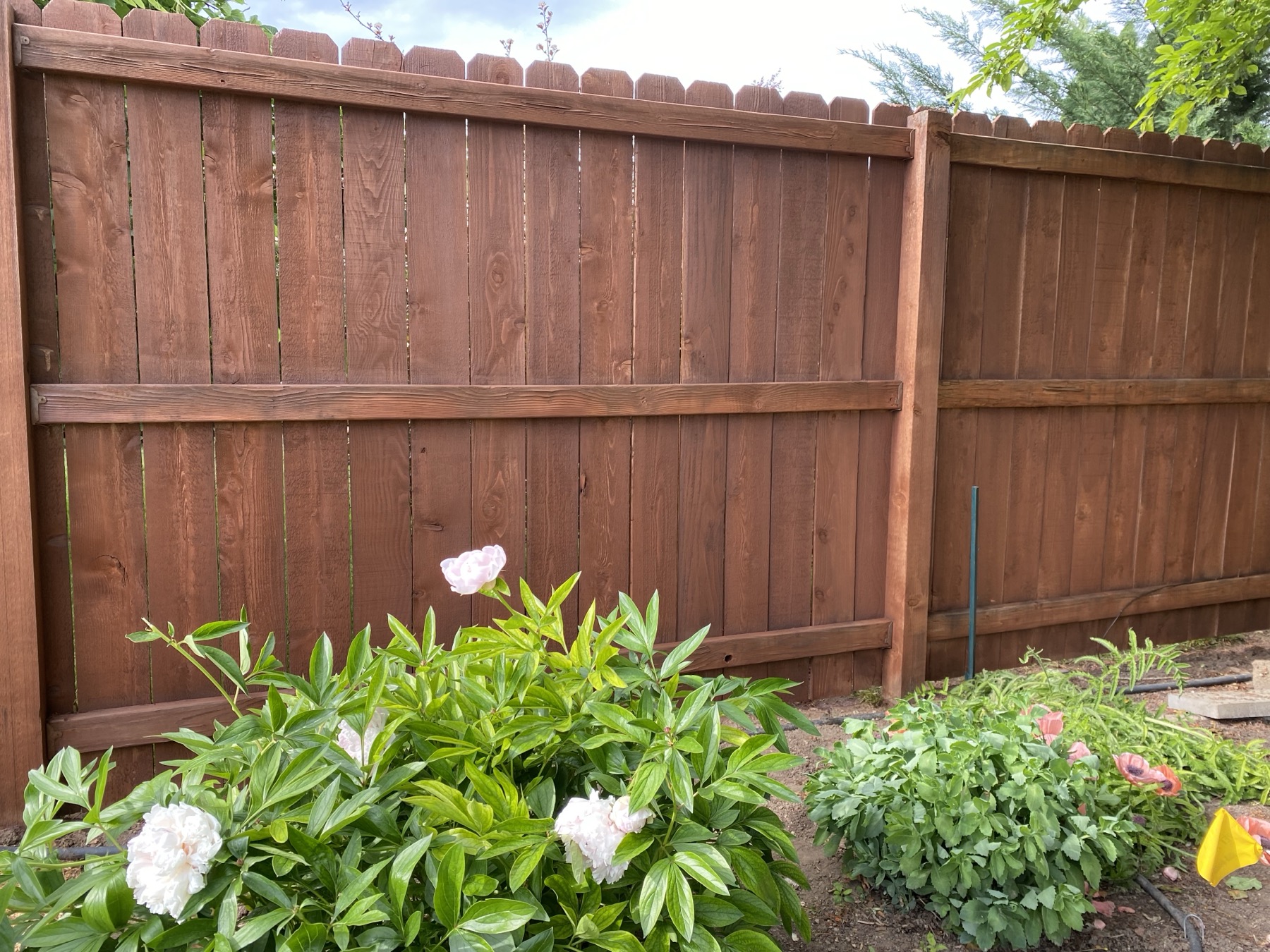
We review the fence age, wood type, existing coating, repairs, exposure, and the look you want.
The fence is cleaned and prepped so the next finish has a better chance to bond, look even, and wear predictably.
Paint or stain is applied in the right weather window with coverage guided by the product and the condition of the wood.
The completed fence is reviewed with you, detail items are checked, and maintenance expectations are covered.
Fence painting and staining in Boise is not just about color. Sun, sprinklers, dry stretches, winter moisture, and wood condition all change what kind of finish makes sense and how much upkeep it will need later.
Grayham helps homeowners sort through stain versus paint, surface prep, and product choice so the fence looks better now and is easier to live with over time.
Fence staining is usually the better fit when you want wood grain to show, easier maintenance cycles, and a finish that wears more naturally over time. Fence painting can be the right choice when uniform color, full coverage, or HOA-driven appearance is the priority, but it needs the right prep and the right expectations for future upkeep.
In the Boise climate, fences deal with intense sun, dry stretches, sprinklers, winter moisture, and uneven exposure from one side to the other. That is why cleaning, dry-time planning, product selection, and application timing matter just as much as the final color.
That depends on the look you want, the condition of the wood, and how much grain you want to show through. Grayham can talk through the tradeoffs during the estimate so the finish makes sense for the fence and the property.
Most fence projects start with cleaning or prep so dirt, weathering, and loose material do not interfere with the finish. The estimate is where the exact prep steps get confirmed.
That depends on fence length, access, prep condition, product choice, and weather. Many fence projects move quickly once they begin, but your painter can outline the schedule during the quote.
Often yes, but the age and condition of the wood matter. Some fences need more prep than others, and the estimate is the best place to decide whether staining, painting, or repairs make the most sense.
Yes. A good paint or stain system can help the fence resist sun exposure, moisture, and seasonal wear while also improving the overall look of the yard.
That depends on the site, ownership, visibility, and project scope. Some homeowners want both sides done, while others are focused only on the visible face.
Dry weather and good temperature windows help outdoor coatings perform better. Scheduling usually depends on weather, direct sun, and the condition of the fence at the time of the project.
Sometimes a close match is possible, but that depends on the current finish, wood type, and weathering. The estimate is the best place to talk through color expectations.
It helps to create working room around the fence so prep and application can be done more cleanly. Your painter can explain what access is needed before the project starts.
Pricing depends on fence length, height, condition, access, prep, product type, and whether one or both sides are included. The estimate is where all of that gets scoped clearly.
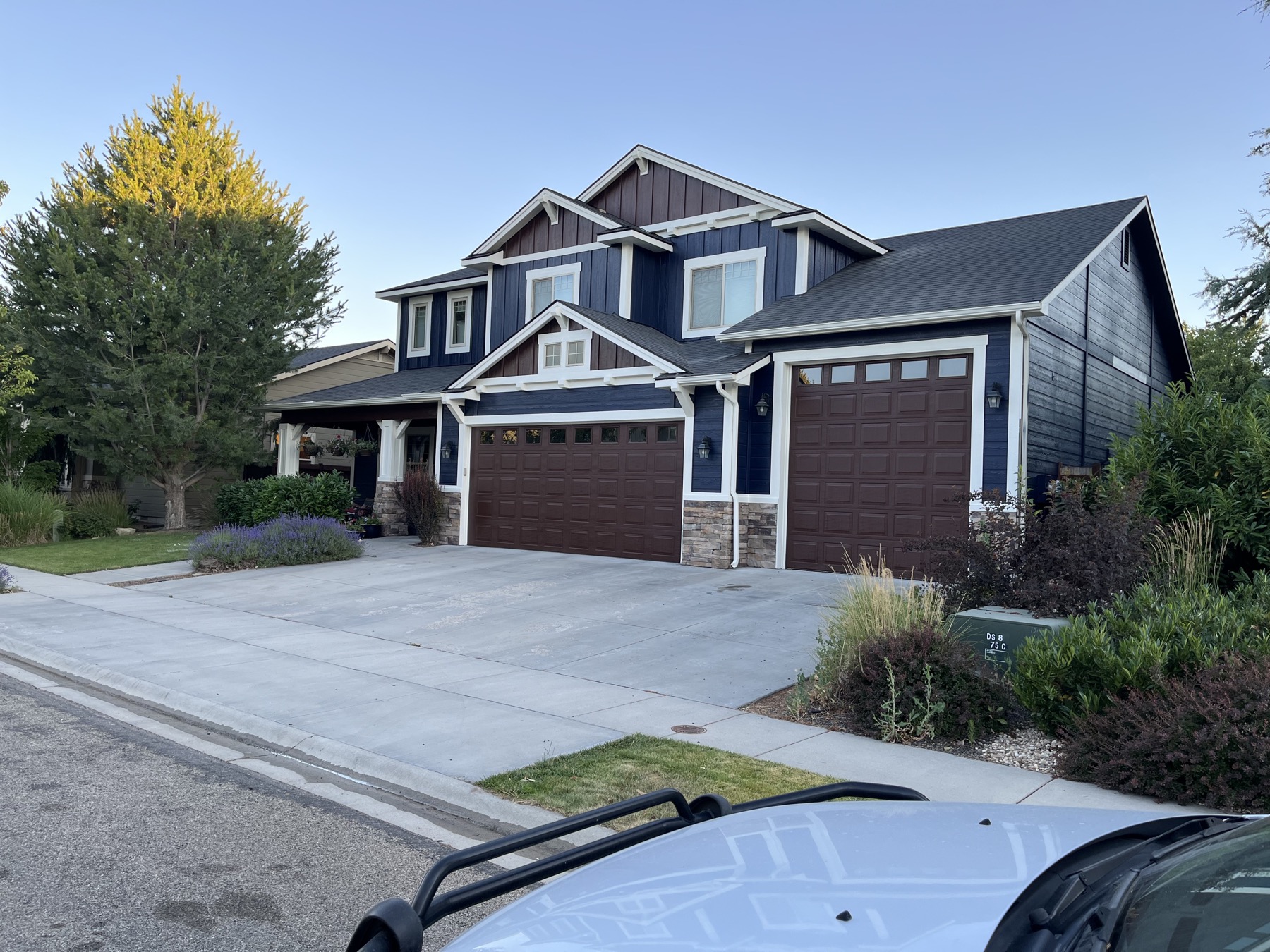
Meridian-area full house exterior repaint with updated body color, crisp trim lines, and a cleaner overall design finish.
View project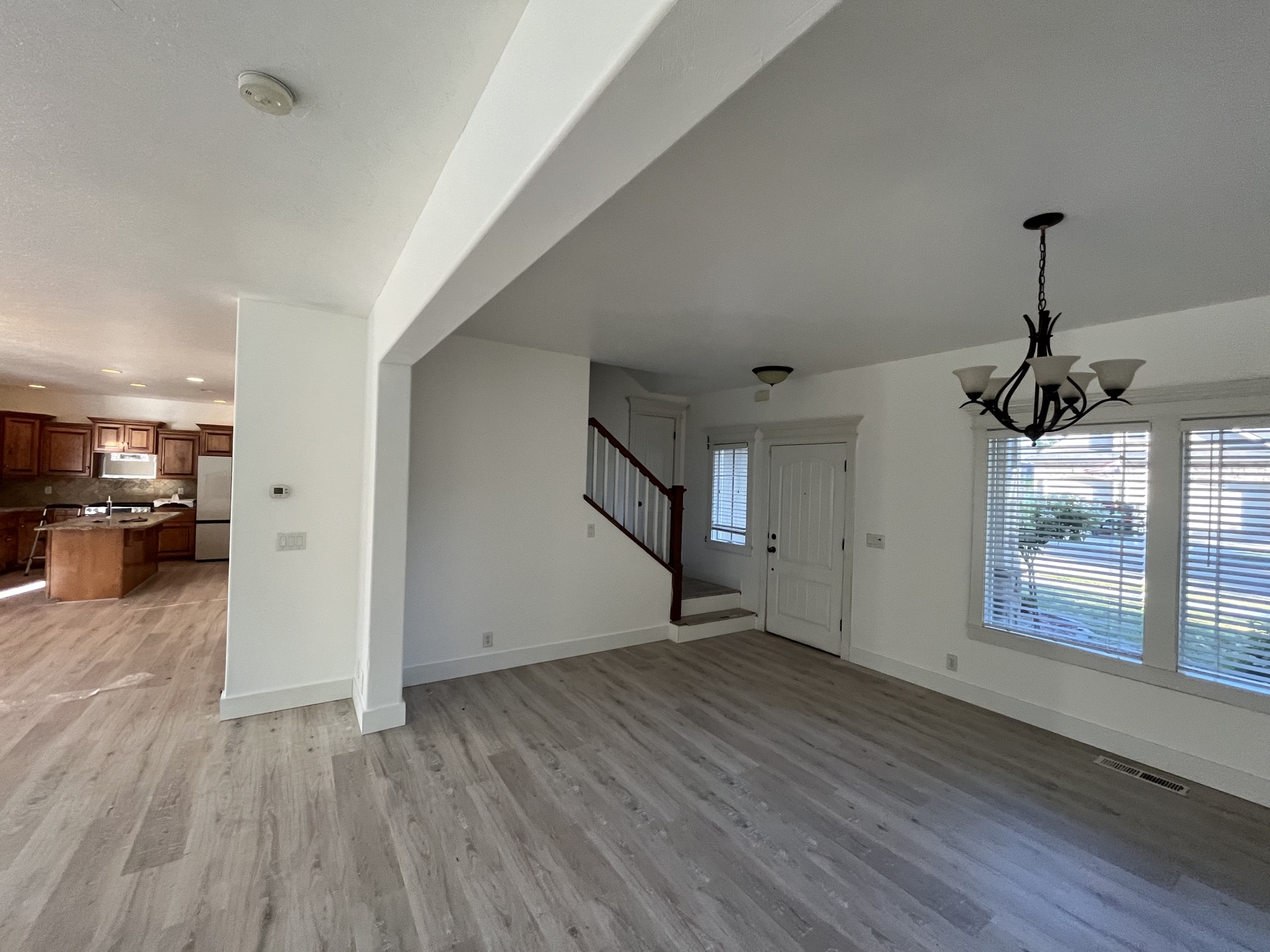
Boise interior repaint example centered on cleaner walls, brighter main rooms, and a more polished everyday living space.
View project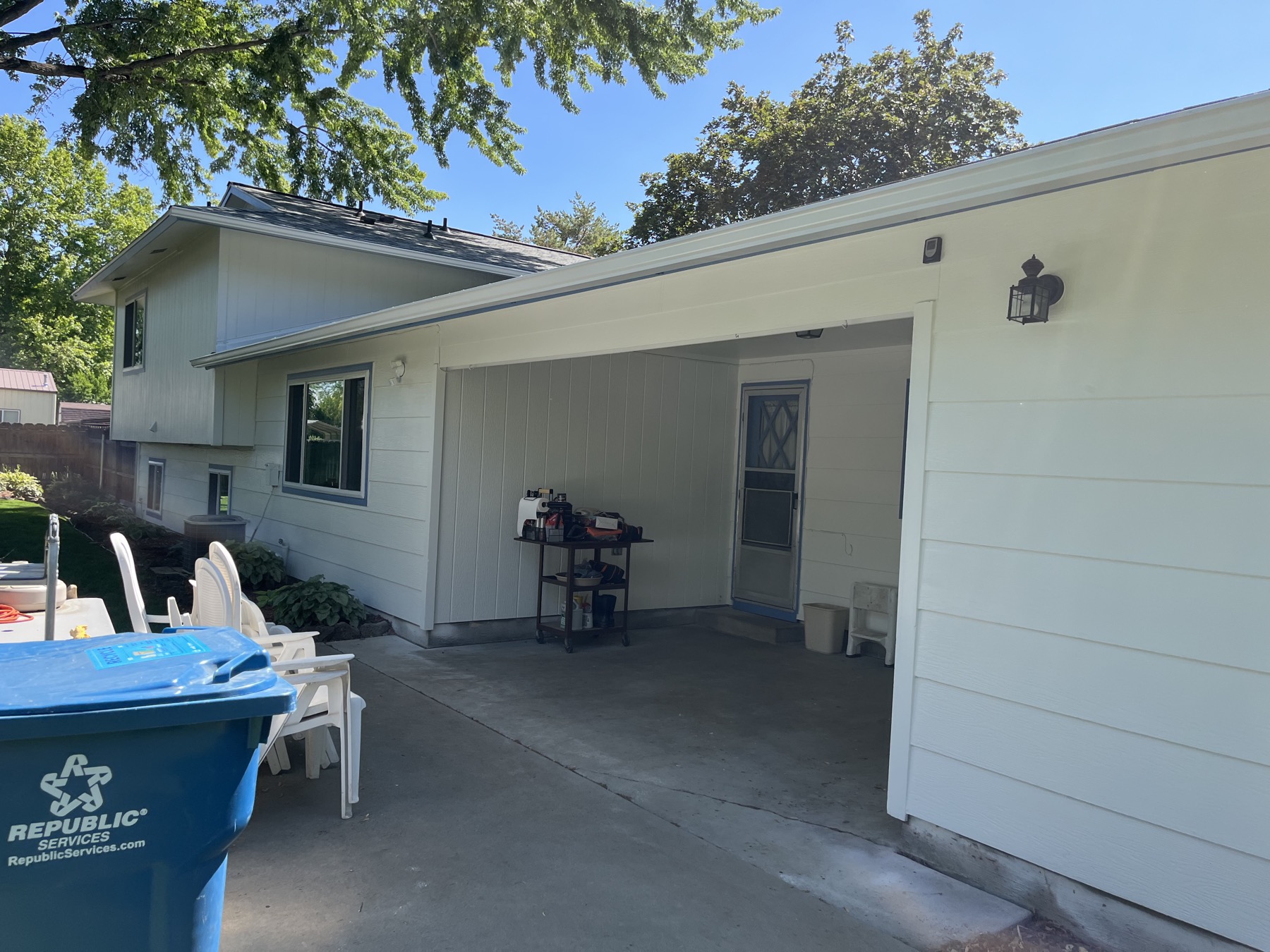
Nampa exterior repaint example focused on a lighter finish, cleaner trim definition, and stronger curb appeal.
View project
Tell Grayham about the fence condition, the look you want, and how much upkeep you want later so the estimate can point you toward the right finish system.